

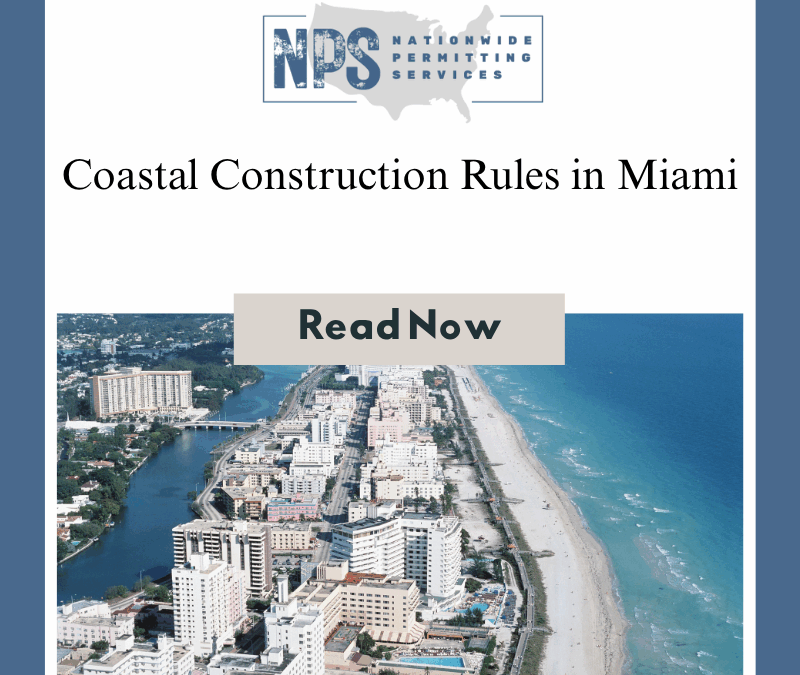
Coastal Construction Rules in Miami shape nearly every part of the permitting process for builders and property owners along the shoreline. Miami has some of the most detailed coastal regulations in the country, and understanding how these rules work can save you time, money, and stress. Coastal development affects beaches, dunes, stormwater patterns, and neighboring properties, which is why Miami and the State of Florida put extra reviews in place. When you understand these requirements early, your permit submission becomes stronger and more likely to move through the process smoothly.
Why Coastal Projects Face Stricter Rules in Miami
Coastal areas in Miami are more vulnerable to storms, erosion, flooding, and high winds. Because of this, both local and state agencies review coastal construction more closely. Building near the shoreline often requires approvals from zoning, environmental protection, building departments, and coastal management offices.
Before planning any project near the water, you can explore the required steps on our Services page to understand how each office plays a part.
Understanding the Coastal Construction Control Line
One of the most important rules in Miami is the Coastal Construction Control Line, also called the CCCL. This line marks the boundary where construction becomes more regulated due to storm surge risk. Any work seaward of this line requires special reviews.
You can learn more about project-specific requirements on our Permit Research page.
When CCCL Approval Is Required
Projects seaward of the CCCL often need multiple layers of approval. These include:
- Foundation design
- Structural strength and wind resistance
- Erosion control plans
- Impact on natural dunes
- Drainage and stormwater flow
Because these reviews take time, starting early gives you the best chance of staying on schedule.
Zoning and Land Use for Coastal Properties
Miami zoning rules are strict, especially in beachfront neighborhoods. Zoning determines height, density, placement of structures, and setbacks from dunes. Some projects require additional reviews if they include:
- New decks or patios
- Pools near the shoreline
- Elevating structures
- Expanding existing buildings
If you need help confirming zoning rules for your site, visit our Zoning and Land Use page.
Environmental Protection Requirements
Coastal environments are sensitive, which means environmental regulations play a major role. Builders must show that their projects will not harm dune systems, marine habitats, or beach walkover paths.
Common Environmental Requirements
- Dune protection fencing
- Native landscaping plans
- Turtle-friendly lighting
- Drainage control measures
Submitting these documents with your permit package helps reduce correction cycles.
Structural Requirements for Coastal Construction
Coastal homes and commercial buildings must withstand strong winds and storm surge. Miami has specific structural rules for:
- Pile foundations
- Elevated floors
- Impact-resistant windows
- Wind loads
- Building orientation
Your engineering drawings must clearly show how your design meets local and state standards.
Stormwater and Drainage Requirements
Coastal flooding is a major concern in Miami. Because of this, stormwater rules are stricter near the shoreline. Projects often need:
- Updated drainage maps
- Grading plans
- Erosion control systems
- Proof of no negative impact on neighboring properties
Our team can assist with these reviews through our Plan Review service.
Coastal Construction Permit Timeline in Miami
Coastal projects move through several departments, and the timeline can vary based on location and proximity to the shoreline.
Pre Application Review
Builders should confirm whether their project is seaward of the CCCL, zoning limits, environmental restrictions, and utility capacity. You can explore these steps on our Permit Research page.
Drawing Preparation
Architects and engineers must prepare structural, environmental, civil, and architectural drawings. Coastal projects often require more documentation than standard builds.
Submittal and Department Review
Coastal permit packages must be submitted to building, zoning, environmental, and coastal management offices. Each office may ask for revisions.
Correction Cycles
Most coastal projects require one or two correction cycles. Working with experienced permit expediters can help reduce delays. Learn more on our Permit Expediting page.
Permit Release
Once all offices approve the plans, your coastal construction permit is released.
Common Issues That Slow Down Coastal Permits in Miami
Miami coastal projects face unique challenges. The most common delays happen when:
- Dune protection plans are incomplete
- Wind calculations do not match building codes
- Structural drawings lack foundation details
- Drainage plans are inconsistent with site conditions
- Zoning setbacks are not confirmed early
Addressing these details before submitting your package gives your project a stronger chance of moving forward without extra revisions.
Additional Considerations for Coastal Builders in Miami
Coastal projects require more coordination than inland developments. Builders should consider:
- Saltwater exposure protection
- Corrosion-resistant materials
- Construction access to narrow beachfront lots
- Turtle nesting season restrictions
- Noise limits for pile driving
Working with a team that understands coastal development helps your project stay compliant.
Coordinating With Engineers, Contractors, and Reviewers
Coastal construction requires close communication between architects, engineers, general contractors, and review offices. Simple drawing changes can affect other departments. Keeping all teams aligned helps avoid unnecessary delays.
Nationwide Permitting Service coordinates these steps through our Services and About Us pages.
Advanced Requirements for Miami Coastal Construction
Coastal construction in Miami goes beyond standard building rules. Because of the impact that storms, tides, and erosion have on beachfront properties, several additional requirements apply to nearly all projects near the shoreline.
Detailed Soil and Geotechnical Reports
Beachfront soil conditions can vary widely from one property to the next. Miami often requires detailed soil reports before the structural review can begin. These reports help engineers design foundations that withstand wave action, shifting sand, and high moisture content. Without accurate soil data, structural reviewers may request multiple revisions.
Flood Zone Standards
Many coastal properties in Miami fall within flood zones that have unique building requirements. These may include:
- Elevated finished floor heights
- Breakaway walls for lower levels
- Reinforced foundation systems
- Flood-resistant materials
Builders must show these details clearly in their drawings. Missing information creates delays and can lead to rejection during review.
Wildlife Protection Rules
Certain areas along the Miami coastline have protected wildlife, especially sea turtles. Construction during nesting season may be limited or require special lighting plans. Builders may also need to submit:
- Wildlife impact assessments
- Shielded lighting specifications
- Noise control plans
Including these items early helps avoid seasonal delays.
Utility Coordination
Coastal properties sometimes require additional coordination with utility companies. Salt exposure, high water tables, and storm surge risk can affect water, sewer, electrical, and communication lines. Projects may need upgraded or relocated utilities depending on site conditions.
Beach Access and Construction Logistics
Many coastal properties have limited access, making it harder for crews to bring equipment to the site. Reviewers often want detailed construction plans that explain:
- How will we reach the site
- How materials will be stored
- How beach walkovers will be protected
- How will dunes be preserved during construction
Submitting these plans improves approval chances and helps inspectors understand your workflow.
Preparing a Complete Coastal Construction Package
A complete submission package is one of the best ways to shorten review timelines in Miami. Coastal projects require more documents than average, and reviewers move more quickly when everything is included the first time.
A Strong Permit Package Includes:
- Structural plans with wind and flood calculations
- Architectural drawings
- Site plans with CCCL boundaries
- Environmental impact documents
- Drainage and stormwater layouts
- Civil engineering drawings
- Turtle-friendly lighting specifications
- Soil reports
- Foundation engineering
- Corrosion-resistant material notes
- FEMA flood zone documentation
- Zoning confirmation
Organizing these documents clearly helps reviewers confirm compliance across all departments.
Reducing Correction Cycles in Miami
Coastal projects almost always require corrections. While they cannot be avoided completely, they can be reduced. Builders who prepare early and coordinate closely with their design team often receive fewer correction rounds.
Ways to Reduce Corrections
- Ensure all drawings match each other
- Confirm wind loads and calculations with local codes
- Provide complete foundation details
- Include coastal engineering notes
- Submit environmental plans at the same time as architectural plans
- Address drainage and stormwater impacts in the first submission
These small steps make a big difference in approval speed.
The Importance of Communication for Coastal Projects
Coastal construction requires more teamwork than inland projects. Architects, engineers, surveyors, environmental specialists, and contractors must all work from the same information.
Clear communication helps prevent:
- Conflicting drawings
- Outdated revision sets
- Missing signatures or stamps
- Incorrect zoning interpretations
Nationwide Permitting Service helps coordinate these details through our Services and Permit Expediting pages.
How Can We Help?
If you are preparing a coastal construction project in Miami and want to avoid delays, Nationwide Permitting Service is here to help. Our team supports builders and property owners through zoning, environmental, structural, and coastal reviews while keeping your timeline on track. To get started, visit our Contact Us page today and connect with our permitting team.