

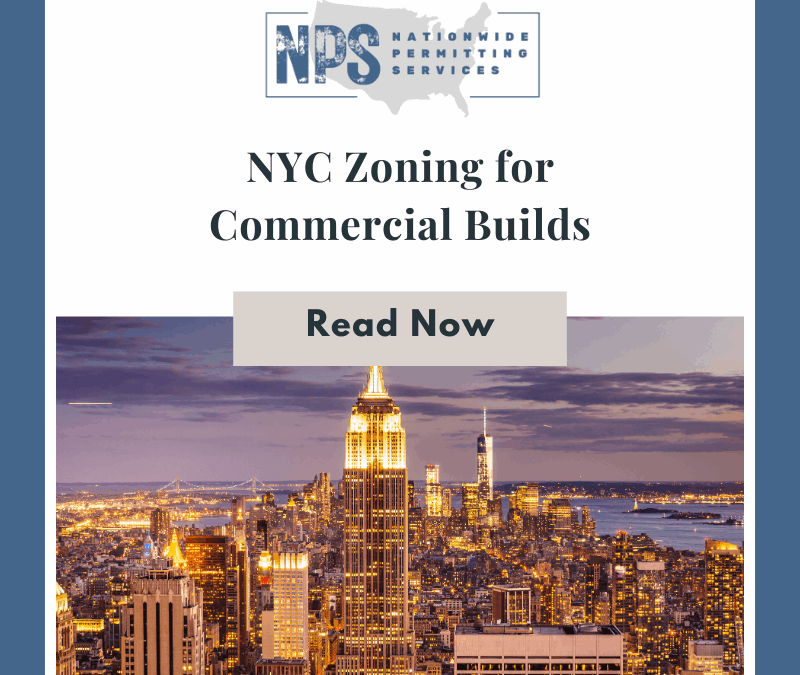
New York City’s skyline, a testament to its commercial might, features towering offices in Manhattan, vibrant retail strips in Brooklyn, and industrial zones in Queens. Yet, behind this growth lies a zoning framework that can stall even the most promising projects. When a commercial build—be it a new boutique in SoHo or a warehouse in the Bronx—doesn’t align with the city’s Zoning Resolution, a variance becomes essential. These exceptions to zoning rules, while necessary, can stretch timelines by 3-6 months, driving up costs and delaying openings.
This article unpacks how NYC zoning shapes commercial development, focusing on the variance process and offering strategic tips to navigate it effectively. We’ll lean on NYC’s zoning codes and public data as of September 2025 to provide actionable insights. Whether you’re eyeing a high-rise in Midtown or a retail space in Queens, these strategies can help you sidestep delays and keep your project moving forward.
Decoding NYC’s Zoning Landscape for Commercial Growth
NYC’s zoning system, outlined in the Zoning Resolution (Title 28 of the New York City Administrative Code), categorizes the city into residential, commercial, manufacturing, and special purpose districts, each with tailored rules for use, height, density, and setbacks. This framework, adopted under the city charter and harmonized with the 2020 New York Building Code (based on the 2018 International Building Code [IBC]), balances development with urban planning priorities.
For commercial projects, zoning dictates permissible activities—such as retail or office use—along with floor area ratios (FAR) and lot coverage limits. For example, a C5-3 zone in Midtown allows a base FAR of 10 but permits up to 15 with bonuses, often necessitating a variance for taller structures. The 2020 NYC Building Code adds technical layers, like facade safety and elevator regulations, which intersect with zoning to influence permitting [New York State, 2020]. With the U.S. Census Bureau reporting over 50,000 commercial permits issued in NYC in 2024, zoning conflicts are a frequent hurdle.
When Variances Become a Necessity
Variances are required when a project’s design or use clashes with zoning regulations, often due to site-specific challenges. Common scenarios include:
- Height and Bulk Constraints: Districts like C1-9 cap buildings at 125 feet, requiring a variance for taller designs. Public records from 2023 show a Queens commercial project delayed 90 days by this limit.
- Unusual Use Requests: Opening a nightclub in a C2 zone (local commercial) demands a special permit or variance, as entertainment uses are restricted.
- Setback and Lot Challenges: Irregular lots in Brooklyn may need setback adjustments, adding 60-120 days to approvals.
- Historic District Restrictions: In Greenwich Village, the Landmark Preservation Commission (LPC) under LPC Rules §25-301 requires variances for exterior changes in historic zones.
The Board of Standards and Appeals (BSA), NYC’s variance authority, processed over 300 cases in 2024, with 40% involving commercial properties, underscoring the prevalence of these issues.
Inside the Variance Approval Journey
Obtaining a variance in NYC follows a quasi-judicial process under Zoning Resolution §72-21, requiring evidence of “unnecessary hardship” and no adverse neighborhood impact. Here’s the step-by-step breakdown:
- Filing the Application: Submit to the BSA with site plans, hardship proof (e.g., lot shape data), and a $1,500 fee. A 2023 Manhattan office case required 200 pages of documentation.
- Public Notification: Post signs and notify adjacent owners 10-20 days before hearings, as mandated by Zoning Resolution §72-01.
- Community Hearings: Held monthly, these take 60-90 days, with community feedback often extending the schedule [New York City Board of Standards and Appeals, 2025].
- BSA Ruling: A decision comes within 60 days post-hearing, but appeals under Article 78 of the Civil Practice Law and Rules can add 90-120 days.
This process typically spans 3-6 months, with complex cases—like a 2023 Brooklyn warehouse variance—stretching to 9 months due to public opposition.
The Cost of Zoning Delays
Variance delays carry a hefty price tag. The U.S. Census Bureau valued NYC’s 2024 commercial permits at $12 billion, with 10-15% impacted by zoning disputes. A 2023 New York Times report highlighted a Midtown hotel project delayed 6 months by a height variance, losing $2 million in revenue. Each delay cycle adds $50,000-$100,000 in holding costs, per industry estimates, with rising material costs in 2025 amplifying the financial strain.
Zoning and Building Codes Shaping Variance Needs
NYC’s regulatory framework drives the need for variances:
- Zoning Resolution (Title 28): Establishes district rules, with §72-21 outlining variance criteria.
- 2020 New York Building Code: Based on the 2018 IBC, it enforces structural and safety standards that may conflict with zoning.
- Landmark Preservation Commission Rules (§25-301): Mandates LPC approval for historic districts, often requiring variances.
- NYC Fire Code: Derived from the 2022 International Fire Code, it influences use variances for safety compliance.
Community District 1’s local laws add further customization [New York City Department of City Planning, 2025], necessitating tailored approaches.
Strategic Tips to Secure Variances Efficiently
To navigate the variance process successfully, try these proven strategies:
- Pre-emptive Zoning Research: Leverage the NYC Zoning Map to confirm district rules before designing your project.
- Initial BSA Consultation: Take advantage of free pre-application meetings with BSA staff to evaluate hardship claims.
- Engage the Community Early: Address neighbor concerns before hearings to minimize opposition, a tactic that worked in a 2023 Queens case.
- Thorough Documentation: Provide detailed hardship evidence, such as topographic surveys, to prevent resubmissions.
- Legal Expertise: Enlist zoning attorneys for complex cases, especially with potential Article 78 appeals.
In 2024, NYC’s e-filing system reduced variance preparation time by 20%, streamlining submissions.
How Expediters Elevate Your Zoning Success
Permit expediters are key to mastering NYC’s zoning challenges. At Nationwide Permitting Service, our team of NYC zoning experts excels at pre-screening plans for Zoning Resolution compliance, coordinating with the BSA, and tracking applications to avoid delays. In 2023, we shortened a Brooklyn variance timeline from 6 to 4 months by resolving height discrepancies early. Reach out to our NYC permit expediters for personalized support.
Looking Ahead: Zoning Trends in NYC
In 2025, NYC is embracing digital innovation. The Department of Buildings’ e-permitting, expanded in 2024, targets 50% automation by 2027, which could halve variance processing times. Proposed 2026 zoning text amendments may relax height restrictions, though community input will remain a factor. Staying ahead of these changes requires local expertise.
Final Thoughts on Zoning Mastery
NYC’s zoning landscape, governed by the Zoning Resolution and 2020 NYC Building Code, often demands variances for height, use, and historic compliance. These can delay commercial builds by 3-6 months, costing millions, but strategic planning and expert guidance can turn the tide. Trust Nationwide Permitting Service to guide your project through NYC’s zoning maze.